Redesign Your Space: The Comprehensive Handbook to Decorative Concrete Alternatives
Decorative concrete has become a favored choice for enhancing residential and commercial spaces. Its capacity to emulate natural materials, paired with a range of adjustable features, makes it a viable alternative. Homeowners and designers alike appreciate its longevity and low maintenance. Yet, the full scope of its potential often goes unrecognized. Investigating the various applications and techniques could uncover innovative opportunities for any environment. What might these solutions entail?
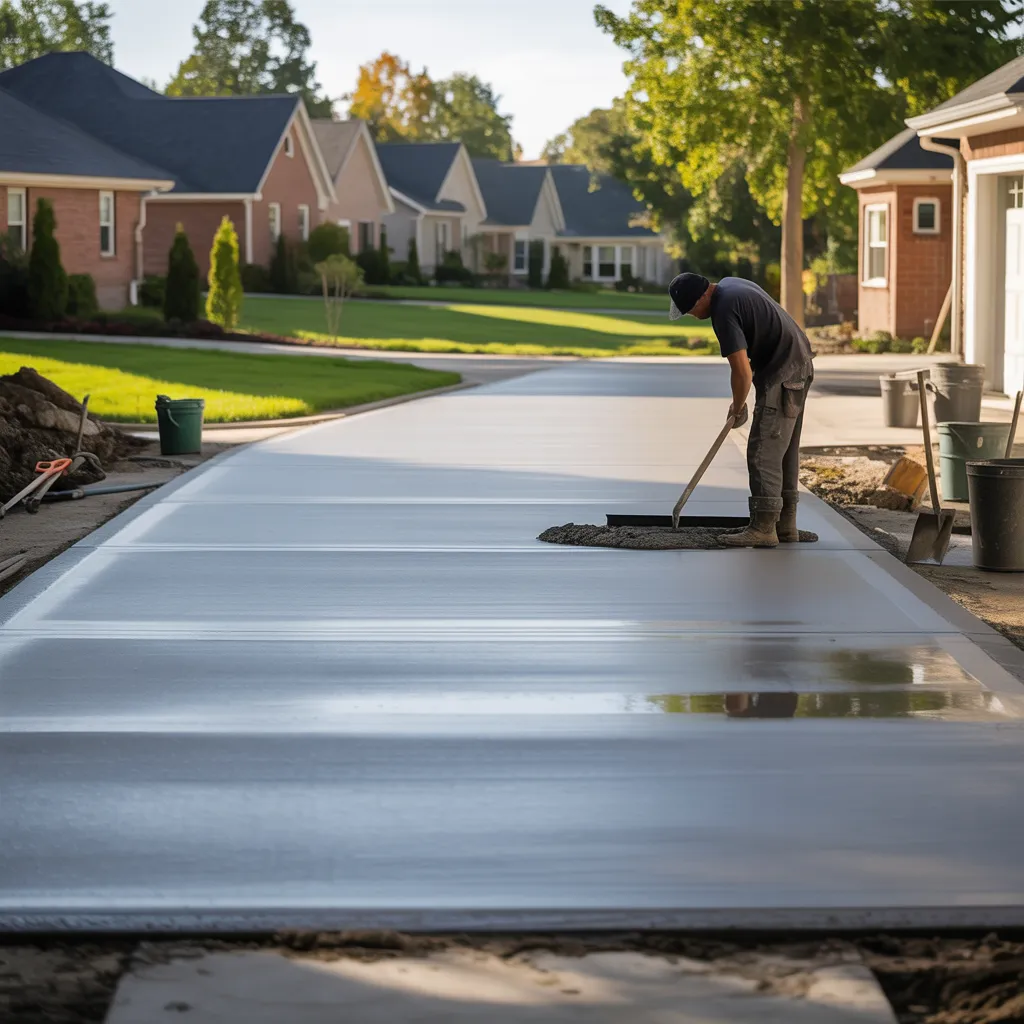
Why Decide on Decorative Concrete for Your Dwelling?
When property owners want to improve their living spaces, ornamental concrete often emerges as a appealing option. This versatile material offers a unique blend of aesthetics and functionality, making it suitable for various applications both indoors and outdoors. One of its main benefits is the capacity to mimic natural materials, such as stone or wood, while retaining durability and low maintenance.
In addition, decorative concrete can be customized with colors, patterns, and textures, facilitating homeowners to express their distinctive character. Its resilience in harsh conditions and wear maximizes longevity, making it a excellent investment for those desiring to elevate their home.
Furthermore, ornamental concrete can deliver budget-friendly solutions for revitalizing current surfaces, removing the requirement for expensive replacement options. As a result, it distinguishes itself as a sensible choice for anyone aiming to enhance their property's visual appeal without compromising on longevity and upkeep.
Useful Methods for Using Decorative Concrete
Numerous useful applications are available for decorative concrete, making it a flexible choice for homeowners. This substance can upgrade both indoor and outdoor spaces, providing visual attraction and functionality. For driveways and patios, decorative concrete can be stamped or stained to resemble natural stone or brick, adding a stylish touch while guaranteeing durability. In gardens, decorative concrete curbing offers a clean, defined edge that enhances landscaping efforts.
Throughout the home, finished concrete flooring are growing in demand for their sleek appearance and minimal upkeep needs. Decorative concrete can also be utilized in counter surfaces, providing a unique surface that can be customized with different hues and patterns. Fire pits and exterior cooking spaces benefit from ornamental concrete for both structural integrity and aesthetic appeal. By integrating decorative concrete into various aspects of home design, homeowners can achieve a cohesive look that enhances their home environments.
Getting Your Surface Ready for Decorative Concrete
Adding ornamental concrete into your residential aesthetic needs meticulous surface readiness to guarantee optimal results. The first phase involves extensively cleaning the space, eliminating any dirt, oil, or waste that may hinder adhesion. Power cleaning is frequently effective for outdoor areas, while interior spaces may require brushing and vacuuming.
Following that, determining the state of the current concrete is critical. Cracks and imperfections should be repaired using appropriate fillers to create a smooth learn now base. If the surface is uneven, grinding and leveling solutions may be necessary to achieve the preferred flatness.
Ultimately, using a primer application can strengthen adhesion between the current concrete surface and the protective coating, promoting longevity and durability. By following these preparatory steps, property owners can build a strong foundation for their ornamental concrete work, ensuring a beautiful and lasting finish that elevates their environment.
Top Methods for Impressive Ornamental Concrete Treatments
A variety of approaches can transform plain concrete into visually striking surfaces, boosting both aesthetic appeal and functionality. One widely-used method is staining, which penetrates the concrete to generate rich, vibrant colors that mimic natural stone. Another approach, stamping, entails embedding molds into wet concrete to reproduce patterns like brick or slate, delivering an elegant finish.
Polishing is also gaining traction, offering a sleek, glossy look while improving durability. For those desiring a more artistic touch, decorative overlays can add elaborate patterns or designs, bestowing concrete a unique flair.
Lastly, engraving provides the ability to create detailed designs inscribed in the surface, delivering custom art pieces. Each of these methods not only refines concrete but also increases its longevity, making decorative concrete a practical option for various applications.
What Amount Do You Need for Aesthetic Concrete?
Decorative concrete techniques improve both the visual appeal and strength of surfaces, but grasping the financial implications is essential for homeowners and contractors alike. Budgeting for decorative concrete involves several factors, such as materials, labor, and project scope. On average, costs can range from $3 to $12 per square foot, depending on the complexity of the design and the type of finish chosen.
Simple staining or stamping tends to be more affordable, while intricate designs or specialty finishes may raise expenses significantly. Additionally, homeowners should examine possible additional costs, such as site preparation and sealing.
It's wise to gather several estimates from reputable contractors to secure a competitive price. Budgeting that accommodates both expected and unexpected costs will lead to a completed undertaking, eventually improving the aesthetic appeal and functionality of the space.
Caring for Your Decorative Concrete for Extended Life
Maintaining decorative concrete is essential for guaranteeing its longevity and visual beauty over time. Regular cleaning practices, proper sealing methods, and timely repairs of surface deterioration play vital roles in this maintenance. Understanding these elements can significantly prolong the lifespan of decorative concrete installations.
Everyday Cleaning Habits
To maintain the beauty and condition of decorative concrete, routine cleaning practices are important. Regular maintenance not only improves the appearance but also prolongs the lifespan of the surface. Brooming or using a leaf blower removes dirt and debris, avoiding stains and damage. For deeper cleaning, a mild detergent mixed with water is effective at removing stubborn stains. It is important to avoid harsh chemicals that can damage the finish. Pressure washing can be advantageous for larger areas, but one should be cautious to control the pressure to prevent surface damage. Regular inspections should be done to identify any areas needing special attention, ensuring the decorative concrete remains both functional and visually appealing over time.
Sealing Approaches Described
Routine maintenance lays the foundation for efficient sealing methods, which are vital in prolonging the lifespan of decorative concrete. Proper sealing blocks moisture infiltration, minimizing the risk of damage from freeze-thaw cycles and chemical exposure. Various sealers are on the market, including penetrating, topical, and hybrid options, each offering unique advantages. Penetrating sealers absorb into the concrete, providing a natural finish, while topical sealers create a protective layer on the surface, improving appearance and shine. Regular reapplication is necessary, usually every one to three years, depending on climate and traffic intensity. By employing the correct sealing techniques, property owners can protect their investment, ensuring decorative concrete remains both useful and visually pleasing for years ahead.
Repairing Surface Problems
Common repair methods include sealing fractures with epoxy or polymer-based compounds, which adhere strongly to the current substrate. For larger damage, applying a decorative resurfacing layer can restore the initial appearance while providing extra durability. Consistent upkeep, such as washing and recoating, is crucial to prevent future damage. By focusing on restoration, homeowners can guarantee their ornamental concrete surfaces stays vivid and long-lasting for years to come.
Compelling Decorative Concrete Venture Exhibits
Decorative concrete has transformed countless spaces, showcasing its versatility and aesthetic appeal. One remarkable project involves a residential patio, where textured concrete replicates natural stone, creating an elegant outdoor setting. This design not only enhances the visual appeal but also increases the property's value.
In business environments, a downtown café employed colored concrete for its flooring, merging functionality with style. The vibrant hues establish a welcoming atmosphere, attracting customers while ensuring durability.
Yet another inspiring instance is a community green space presenting ornamental cement seating and pathways that weave in creative designs. This well-thought-out design elevates the communal space, inviting guests to remain and relish their surroundings.
Furthermore, many homeowners are opting for decorative overlays on their driveways, enabling custom patterns that shine in the neighborhood. These examples illustrate the unlimited options that decorative concrete offers, making it a favored choice for both residential and commercial projects.
Regularly Asked Inquiries
Can I Apply Decorative Concrete Myself or Hire a Professional?
You can install decorative concrete by yourself, if you possess the necessary skills and tools. Nevertheless, engaging a professional often provides a better quality outcome and adherence to safety standards, which represents the safer alternative for the majority.
What Kinds of Ornamental Concrete Patterns Are Available?
Varied concrete aesthetic patterns feature stamped, stained, polished, and engraved designs. Each presents singular visual interest, supporting modification in residential and commercial spaces, upgrading visual interest while providing durable, functional surfaces.
How prolonged Does Artistic Concrete Persist?
Decorative concrete commonly lasts 20 to 30 years, influenced by elements like installation quality, care, and environmental conditions. Routine sealing and care can lengthen its longevity, guaranteeing both durability and visual appeal over time.
Can Artistic Concrete Work Well in Outdoor Environments?
Decorative concrete proves to be definitely well-suited for outdoor applications. Its durability, weather-resistant properties, and assortment of design finishes make it an exceptional choice for patios, driveways, and walkways, presenting both practical benefits and beautiful appearance.
Can Decorative Concrete Undergo Repairs if Damaged?
Yes, decorative concrete can be fixed if damaged. Various techniques, such as filling and refinishing, can return its look and performance, ensuring strength and prolonging the lifespan of the finish. Proper maintenance aids in preventing additional problems.
Comments on “Randolph Concrete Design Services: Expert Decorative Concrete Services”